
We Keep Top Notch Plastic Materials
Many of our materials are also available in fiber-reinforced options, such as carbon fiber or glass fiber blends, offering increased strength, stiffness, and performance for demanding applications.
PETG

⚙️ Mechanical Properties
-
Tensile Strength: ~50 MPa
-
Impact Resistance: High (more flexible than PLA)
-
Flexibility: Moderate (less brittle than PLA)
-
Layer Adhesion: Excellent
-
Wear Resistance: Good
🌡️ Thermal Properties
-
Glass Transition Temperature: ~80°C (176°F)
-
Heat Resistance: Moderate
-
Printing Temp: 220–250°C
-
Bed Temp: 70–90°C
🧴 Chemical & Environmental Resistance
-
Moisture Resistance: Good
-
Chemical Resistance: Strong against acids, alcohols, and oils
-
UV Resistance: Moderate (better than PLA, less than ASA)
-
Food Safe: Potentially (if printed and handled correctly)
⚡ Key Advantages
-
Strong and durable for functional parts
-
Excellent layer bonding (less prone to cracking)
-
Low warping compared to ABS
-
Slight flexibility reduces brittleness
-
Smooth, often glossy surface finish
⚠️ Limitations
-
Not as heat-resistant as ABS or Nylon
-
Can string during printing if not dialed in
-
Softer surface can scratch more easily
🏭 Common Use Cases
-
Mechanical parts and housings
-
Industrial components
-
Protective covers and enclosures
-
Liquid containers and tubing parts
-
Outdoor applications (moderate exposure)
PLA

⚙️ Mechanical Properties
-
Tensile Strength: ~60 MPa
-
Impact Resistance: Low to moderate (can be brittle)
-
Flexibility: Low (stiff material)
-
Layer Adhesion: Good
-
Wear Resistance: Moderate
🌡️ Thermal Properties
-
Glass Transition Temperature: ~60°C (140°F)
-
Heat Resistance: Low (can deform under heat)
-
Printing Temp: 190–220°C
-
Bed Temp: 50–70°C (optional)
🧴 Chemical & Environmental Resistance
-
Moisture Resistance: Moderate
-
Chemical Resistance: Limited
-
UV Resistance: Poor (degrades over time outdoors)
-
Food Safe: Potentially (if printed and handled correctly)
⚡ Key Advantages
-
Very easy to print and beginner-friendly
-
Excellent surface finish and detail
-
Minimal warping
-
Wide range of colors and finishes
-
Plant-based and more environmentally friendly
⚠️ Limitations
-
Brittle compared to other materials
-
Low heat resistance
-
Not ideal for functional or load-bearing parts
-
Degrades with prolonged UV exposure
🏭 Common Use Cases
-
Prototypes and concept models
-
Display parts and visual pieces
-
Low-stress components
-
Educational and hobby prints
-
Decorative items
ASA

⚙️ Mechanical Properties
-
Tensile Strength: ~45–50 MPa
-
Impact Resistance: High
-
Flexibility: Moderate
-
Layer Adhesion: Good (best in enclosed printers)
-
Wear Resistance: Good
🌡️ Thermal Properties
-
Glass Transition Temperature: ~100°C (212°F)
-
Heat Resistance: High
-
Printing Temp: 240–260°C
-
Bed Temp: 90–110°C
🧴 Chemical & Environmental Resistance
-
Moisture Resistance: Good
-
Chemical Resistance: Good (resists oils, greases, and some solvents)
-
UV Resistance: Excellent (won’t yellow or degrade easily)
-
Weather Resistance: Outstanding for outdoor use
⚡ Key Advantages
-
Superior UV and weather resistance
-
Strong and impact-resistant
-
Better outdoor durability than ABS
-
Smooth, professional surface finish
-
Ideal for long-term exterior applications
⚠️ Limitations
-
Requires controlled printing environment (enclosure recommended)
-
Can warp if not printed properly
-
Emits fumes during printing (ventilation needed)
-
Slightly more difficult to print than PLA or PETG
🏭 Common Use Cases
-
Outdoor components and housings
-
Automotive parts and trim
-
Electrical enclosures
-
Industrial equipment parts
-
Signage and exterior fixtures
ABS

⚙️ Mechanical Properties
-
Tensile Strength: ~40–50 MPa
-
Impact Resistance: High
-
Flexibility: Moderate
-
Layer Adhesion: Moderate to good
-
Wear Resistance: Good
🌡️ Thermal Properties
-
Glass Transition Temperature: ~105°C (221°F)
-
Heat Resistance: High
-
Printing Temp: 220–250°C
-
Bed Temp: 90–110°C
🧴 Chemical & Environmental Resistance
-
Moisture Resistance: Good
-
Chemical Resistance: Moderate (resists acids and alkalis, limited solvent resistance)
-
UV Resistance: Poor (can degrade in sunlight)
-
Weather Resistance: Moderate (better indoors or protected use)
⚡ Key Advantages
-
Strong and impact-resistant
-
Good heat tolerance for functional parts
-
Can be sanded, machined, and acetone-smoothed
-
Widely used and cost-effective
-
Suitable for mechanical and industrial use
⚠️ Limitations
-
Prone to warping without proper settings
-
Requires heated bed and often an enclosure
-
Emits fumes during printing (ventilation recommended)
-
Not ideal for long-term outdoor exposure
🏭 Common Use Cases
-
Functional prototypes
-
Mechanical components
-
Enclosures and housings
-
Automotive interior parts
-
Tools, fixtures, and jigs
NYLON
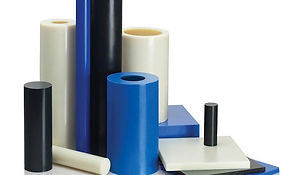
⚙️ Mechanical Properties
-
Tensile Strength: ~60–75 MPa
-
Impact Resistance: Very high
-
Flexibility: High (tough, not brittle)
-
Layer Adhesion: Excellent
-
Wear Resistance: (excellent for moving parts)
🌡️ Thermal Properties
-
Glass Transition Temperature: ~70°C (158°F)
-
Heat Resistance: High (varies by type)
-
Printing Temp: 240–270°C
-
Bed Temp: 70–100°C
🧴 Chemical & Environmental Resistance
-
Moisture Resistance: Low (absorbs moisture from air)
-
Chemical Resistance: Excellent (resists oils, fuels, and many chemicals)
-
UV Resistance: Moderate
-
Weather Resistance: Good with proper treatment
⚡ Key Advantages
-
Extremely strong and durable
-
Excellent for moving and load-bearing parts
-
High wear and abrasion resistance
-
Good chemical resistance
-
Slight flexibility prevents cracking
⚠️ Limitations
-
Absorbs moisture (requires dry storage and printing)
-
More difficult to print than PLA or PETG
-
Can warp without proper settings
-
Surface finish is less smooth than other materials
🏭 Common Use Cases
-
Gears and mechanical components
-
Bearings and bushings
-
Industrial machine parts
-
Snap-fit components
-
Functional prototypes and end-use parts
TPU

⚙️ Mechanical Properties
-
Tensile Strength: ~30–50 MPa
-
Impact Resistance: Very high
-
Flexibility: Very high (rubber-like)
-
Elasticity: Excellent (can stretch and return to shape)
-
Wear Resistance: Excellent
🌡️ Thermal Properties
-
Glass Transition Temperature: ~-30°C (-22°F)
-
Heat Resistance: Moderate
-
Printing Temp: 210–240°C
-
Bed Temp: 40–60°C
🧴 Chemical & Environmental Resistance
-
Moisture Resistance: Good
-
Chemical Resistance: Good (resists oils, grease, and abrasion)
-
UV Resistance: Moderate
-
Weather Resistance: Good
⚡ Key Advantages
-
Extremely flexible and elastic
-
High impact and abrasion resistance
-
Durable under repeated stress
-
Excellent for shock absorption
-
Resistant to oils and grease
⚠️ Limitations
-
Slower and more difficult to print
-
Can string or deform if not dialed in
-
Not as rigid or load-bearing as other materials
-
Requires proper printer setup (direct drive preferred)
🏭 Common Use Cases
-
Gaskets and seals
-
Phone cases and protective covers
-
Flexible joints and hinges
-
Vibration dampening parts
-
Wear-resistant components
PAHT-CF
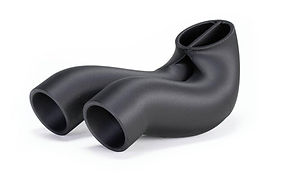
⚙️ Mechanical Properties
-
Tensile Strength: ~90–110 MPa
-
Impact Resistance: High
-
Flexibility: Low to moderate (very stiff due to carbon fiber)
-
Layer Adhesion: Excellent
-
Wear Resistance: Excellent
🌡️ Thermal Properties
-
Heat Deflection Temperature: ~150–200°C (varies by blend)
-
Heat Resistance: Very high
-
Printing Temp: 260–300°C
-
Bed Temp: 90–120°C
🧴 Chemical & Environmental Resistance
-
Moisture Resistance: Better than standard nylon (reduced absorption)
-
Chemical Resistance: Excellent (resists oils, fuels, and solvents)
-
UV Resistance: Good
-
Weather Resistance: Very good for demanding environments
⚡ Key Advantages
-
Extremely high strength-to-weight ratio
-
Very stiff with minimal flex
-
Excellent heat resistance
-
Superior dimensional stability
-
Reduced warping compared to standard nylon
-
Ideal for replacing metal in some applications
⚠️ Limitations
-
More brittle than standard nylon
-
Higher material cost
-
Requires high-temp, professional-grade printers
-
Abrasive (requires hardened nozzles)
🏭 Common Use Cases
-
Structural and load-bearing components
-
Industrial machine parts
-
Automotive and motorsport components
-
Jigs, fixtures, and tooling
-
Lightweight replacement for metal parts
Frequently Asked Questions
PLA FAQs
What is PLA best used for?
PLA is best for prototypes, visual models, and low-stress parts where detail and finish matter.
Is PLA strong enough for functional parts?
PLA has good strength but is brittle, making it better for light-duty rather than load-bearing applications.
Can PLA be used outdoors?
PLA is not ideal for outdoor use because it degrades with UV exposure and heat.
Does PLA require a heated bed?
A heated bed is optional, but it can improve adhesion and print quality.
Is PLA environmentally friendly?
PLA is plant-based and biodegradable under industrial conditions, making it more eco-friendly than most plastics.
PETG FAQs
What is PETG best used for?
PETG is great for functional parts that need strength, durability, and some flexibility.
Is PETG stronger than PLA?
Yes, PETG is more impact-resistant and less brittle than PLA, making it better for real-world use.
Is PETG waterproof?
PETG has good moisture resistance and is suitable for parts exposed to water or humidity.
Can PETG be used outdoors?
Yes, PETG performs moderately well outdoors with better UV resistance than PLA.
Does PETG warp during printing?
PETG has low warping compared to ABS, making it easier to print large parts.
ABS FAQs
What is ABS best used for?
ABS is ideal for durable, impact-resistant parts and functional prototypes.
Is ABS heat resistant?
Yes, ABS handles higher temperatures than PLA and PETG, making it suitable for more demanding environments.
Can ABS be used outdoors?
ABS is not ideal for long-term outdoor use because it degrades under UV exposure.
Does ABS require special printing conditions?
Yes, ABS typically requires a heated bed and enclosure to prevent warping.
Can ABS be post-processed?
Yes, ABS can be sanded, machined, and smoothed with acetone for a polished finish.
ASA FAQs
What is ASA best used for?
ASA is best for outdoor applications where UV and weather resistance are critical.
Is ASA better than ABS?
ASA is similar to ABS but offers significantly better UV and weather resistance.
Does ASA fade in sunlight?
No, ASA is designed to resist fading, yellowing, and degradation from UV exposure.
Is ASA difficult to print?
ASA can be more challenging to print and typically requires an enclosure for best results.
What industries commonly use ASA?
ASA is commonly used in automotive, outdoor equipment, and industrial applications.
Nylon FAQs
What is Nylon 3D printing material best used for?
Nylon is ideal for strong, flexible, and wear-resistant parts like gears and mechanical components.
Is Nylon stronger than other materials?
Nylon is one of the strongest and most durable 3D printing materials, especially for functional parts.
Does Nylon absorb moisture?
Yes, Nylon absorbs moisture from the air, so it must be stored and printed in dry conditions.
Is Nylon flexible or rigid?
Nylon offers a balance of strength and flexibility, making it tough without being brittle.
Is Nylon suitable for industrial use?
Yes, Nylon is widely used in industrial applications due to its durability and wear resistance.
TPU FAQs
What is TPU best used for?
TPU is ideal for flexible, rubber-like parts such as gaskets, seals, protective covers, and vibration-dampening components.
How flexible is TPU?
TPU is highly flexible and elastic, allowing it to bend, stretch, and return to its original shape without breaking.
Is TPU durable?
Yes, TPU is very durable with excellent resistance to abrasion, impact, and repeated stress.
Can TPU be used outdoors?
TPU has good weather resistance and can be used outdoors, though long-term UV exposure may affect performance over time.
Is TPU difficult to print?
TPU can be more challenging to print than rigid materials and typically requires slower speeds and proper printer setup.
PAHT-CF FAQs
What is PAHT-CF best used for?
PAHT-CF is ideal for high-strength, load-bearing parts and applications that require stiffness and heat resistance.
Is PAHT-CF stronger than standard nylon?
Yes, PAHT-CF is significantly stronger and stiffer due to carbon fiber reinforcement.
Can PAHT-CF replace metal parts?
In some applications, PAHT-CF can serve as a lightweight alternative to metal while maintaining high strength.
Is PAHT-CF heat resistant?
Yes, PAHT-CF offers excellent heat resistance, making it suitable for high-temperature environments.
Is PAHT-CF difficult to print?
Yes, it requires high-temperature printers and hardened nozzles due to its abrasive carbon fiber content.