
Revolutionizing Fixturing in Machining with 3D Printed Parts
Machining fixtures are essential tools that hold and support workpieces during manufacturing processes. Traditionally, these fixtures are made from metal or wood, requiring significant time and cost to design and produce. The rise of 3D printing has introduced a new way to create fixturing components, offering machinists and fabricators faster, more flexible, and cost-effective solutions. This post explores how 3d printed fixtures are transforming the machining industry, providing practical insights and examples for machinists and 3d printing enthusiasts.

How 3D Printed Fixtures Improve Machining Processes
Machining fixtures must be precise, durable, and adaptable to different parts. 3d printed fixtures meet these requirements while offering several advantages over traditional methods:
Rapid Prototyping and Production
Machinists can design and print fixtures in-house within hours, reducing lead times from days or weeks to mere hours. This speed allows quick adjustments and iterations, improving workflow efficiency.
Cost Savings
Producing fixtures with 3D printing uses less material and requires less labor than machining metal fixtures. This lowers costs, especially for low-volume or custom jobs.
Complex Geometries
3D printing enables the creation of intricate shapes that are difficult or impossible to machine. This allows fixtures to fit complex parts perfectly, enhancing stability and accuracy.
Lightweight and Customizable
Compared to metal fixtures, 3d printed fixtures are lighter, reducing handling effort and wear on machines. They can also be tailored to specific parts or processes, improving versatility.
Materials Used for 3D Printed Machining Fixtures
Choosing the right material is crucial for fixture performance. Common materials for 3d printed fixtures include:
Nylon (PA12)
Offers good strength, flexibility, and chemical resistance. Suitable for moderate loads and repeated use.
Polycarbonate (PC)
Known for high impact resistance and heat tolerance. Ideal for fixtures exposed to higher temperatures or mechanical stress.
Composite Filaments
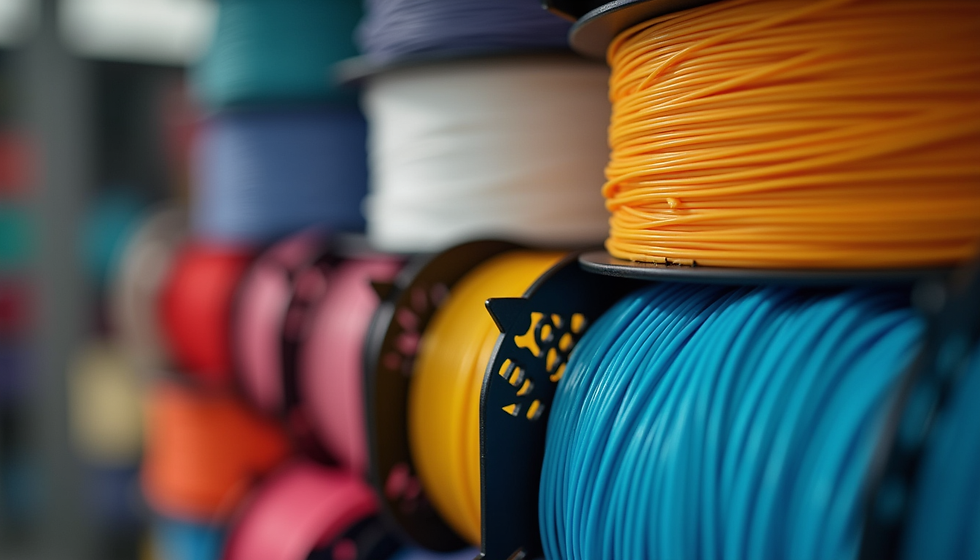
Materials infused with carbon fiber or glass fiber increase stiffness and durability, making them suitable for demanding machining tasks.
Resins (SLA/DLP Printing)
Provide high detail and smooth surfaces but may be less durable under mechanical stress. Often used for prototype fixtures or light-duty applications.
Practical Applications of 3D Printed Fixtures in Machining
Machinists and fabricators use 3d printed fixtures in various ways to improve their operations:
Custom Workholding Solutions
For unique or small-batch parts, 3d printed fixtures can be designed to match the exact shape and size, ensuring secure holding without damaging the workpiece.
Tooling Aids and Jigs
Fixtures that guide tools or position parts precisely can be quickly produced and replaced as needed, improving repeatability and reducing setup time.
Protective Fixtures
Soft or flexible 3d printed materials can protect delicate surfaces during machining, preventing scratches or deformation.
Assembly and Inspection Fixtures
Beyond machining, 3d printed fixtures help hold parts during assembly or quality checks, streamlining the entire production cycle.
Case Study: Aerospace Component Machining
An aerospace manufacturer needed a fixture to hold a complex titanium part during milling. Traditional fixture production would have taken weeks and cost thousands. Using 3d printed fixtures made from carbon fiber reinforced nylon, the company produced a lightweight, precise fixture in two days. This reduced setup time by 50% and lowered costs by 70%, while maintaining part accuracy and surface finish.

Design Tips for Effective 3D Printed Machining Fixtures
To get the most out of 3d printed fixtures, consider these design guidelines:
Account for Material Properties
Design fixtures to handle the expected loads and environmental conditions. Use thicker walls or reinforcement where needed.
Include Mounting Features
Add holes, slots, or bosses for easy attachment to machine tables or other fixtures.
Optimize for Printing
Avoid overhangs or complex supports that increase print time and post-processing. Use orientation that maximizes strength along load directions.
Test and Iterate
Print prototypes to verify fit and function before final production. Adjust designs based on real-world feedback.
Challenges and Considerations
While 3d printed fixtures offer many benefits, some challenges remain:
Material Limitations
Not all 3D printing materials match the strength and heat resistance of metal. Choose materials carefully based on application.
Surface Finish
Printed fixtures may require post-processing to achieve smooth surfaces that do not damage workpieces.
Size Constraints
Printer build volumes limit the maximum size of fixtures. Large fixtures may need to be printed in parts and assembled.
Long-Term Durability
Some 3d printed materials may wear faster under repeated machining cycles compared to traditional fixtures.
The Future of Fixturing with 3D Printing
As 3D printing technology advances, expect even more durable materials, faster printers, and improved design software. Integration with CAD and CAM systems will make designing and producing machining fixtures more seamless. This will empower machinists and fabricators to create custom, efficient fixturing solutions on demand, reducing downtime and costs.
Exploring 3d printed fixtures today can give shops a competitive edge by improving flexibility and responsiveness to customer needs.

Comments